Solihull Council rules for garden waste in Shirley gardeners guide
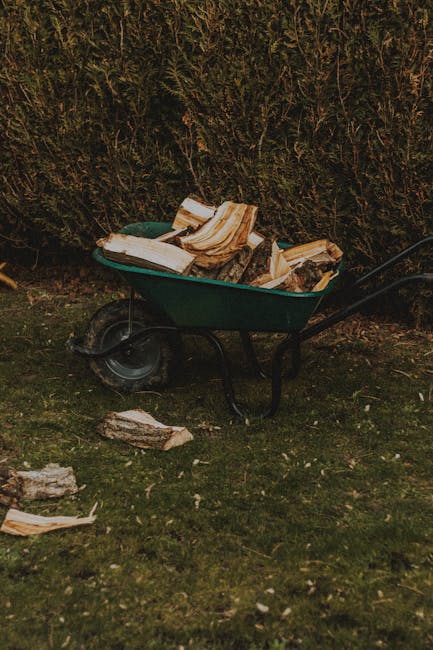
If you garden in Shirley, the rules around green waste can feel annoyingly specific at first glance. One week you're trimming a hedge, the next you're wondering whether those clippings belong in a council collection, a compost heap, or a bulky bag that's taking up half the patio. This guide to Solihull Council rules for garden waste in Shirley gardeners guide is here to make that simpler, with clear, practical advice for everyday gardeners, landlords, and anyone keeping a front or back garden tidy in the Shirley area.
We'll cover how garden waste is usually handled, what to do with grass cuttings, leaves, prunings, weeds, and soil, plus the mistakes that often lead to missed collections or unnecessary hassle. You'll also find a checklist, a comparison table, and a real-world example to help you turn council guidance into an easy routine. And yes, there's a bit of common sense in here too - the sort that saves time on a damp Tuesday afternoon when the bins are already full.
Why Solihull Council rules for garden waste in Shirley gardeners guide Matters
Garden waste sounds straightforward until you try to dispose of it properly. In Shirley, the practical challenge is not just "where does this go?", but "what will the council accept, how should it be presented, and what counts as contamination?" That matters because small errors can mean a missed collection, a spill on the pavement, or a bag of cuttings sitting around longer than it should. Nobody wants that smell after a warm spell. Let's be honest, garden waste turns from fresh cuttings to soggy mulch surprisingly quickly.
Good waste handling also affects the wider garden. If you know what can be composted, what should be set aside for green collection, and what needs separate disposal, you can plan pruning and maintenance with far less stress. That means tidier borders, less clutter, and fewer surprise trips to the tip.
For local gardeners, the rules also shape how you approach bigger jobs like hedge cutting, ivy removal, lawn renovation, and seasonal clear-outs. For example, if you are tackling a heavy pruning project, it helps to think ahead about storage and removal before the first branch comes down. If you're also improving drainage, as explained in this drainage guide, the waste plan matters even more because muddy arisings can quickly complicate collection day.
Bottom line: understanding the local approach to garden waste keeps your garden tidier, your work more efficient, and your disposal routine less frustrating.
How Solihull Council rules for garden waste in Shirley gardeners guide Works
The basic idea is simple: garden waste should be kept separate from general household rubbish and managed in the way the council expects. In practice, that usually means using the correct collection method, keeping materials clean enough to be accepted, and avoiding items that do not belong in green waste streams.
Most local garden waste systems in the UK focus on organic material such as grass cuttings, leaves, small prunings, and weeds. But there are always limits. Soil, stones, plastic plant pots, treated timber, and non-organic debris are the sort of things that tend to cause problems. If you're not sure whether something is acceptable, the safest rule is to separate it first and check before mixing it in. That may sound a bit cautious, but it saves faff later.
Here's the useful part: once you understand the basic categories, the whole process becomes easier. A hedge trim can be bundled or bagged. Lawn clippings can be dried slightly to reduce weight. Leaves can be stored temporarily in a breathable sack or added to a compost system. Bigger woody material may be better chopped down for reuse, shredded, or booked into a more suitable disposal route. In a well-run garden, waste is rarely just waste.
If you're already thinking about turning prunings and dead leaves into usable material, you may find this guide to converting waste into fertile earth useful, especially for home composting and soil improvement.
For gardeners who manage regular cuts, it can also help to pair your waste routine with a maintenance schedule. A neat lawn, trimmed hedge, and cleared border produce smaller, more manageable waste loads than a "do it all at once" approach. That's why services like garden maintenance and hedge trimming in Shirley are often more effective when they are planned seasonally rather than left until everything's overgrown.
Key Benefits and Practical Advantages
Following the correct garden waste process is not just about staying on the right side of local expectations. It has practical upsides you notice almost immediately.
- Cleaner collections: when waste is sorted properly, you reduce the chance of rejected bags or messy spills.
- Faster garden jobs: you work more efficiently when you already know how debris will be handled.
- Better composting: clean, organic material breaks down more reliably at home.
- Less strain on bin space: separating green waste from general rubbish keeps weekly bins under control.
- Safer pathways: removing loose cuttings and branches lowers slip and trip risks, especially after rain.
- Improved appearance: tidy waste handling makes the whole garden feel finished rather than half-done.
There's also a less obvious benefit: you become more intentional about what your garden produces. A large hedge cut becomes a resource problem rather than a panic. A heavy leaf fall turns into composting potential. Even a tired border clear-out starts to look manageable, which is half the battle.
For example, if you're planning a redesign, it helps to combine waste clearance with layout improvements. Ground-cover planting can reduce future weeds and lower the volume of seasonal tidying. If that sounds useful, have a look at these ground cover options for UK gardens. Likewise, if ivy is swallowing fences or sheds and creating constant waste, this ivy removal article can help you reduce repeated cut-and-clear cycles.
Who This Is For and When It Makes Sense
This guidance is useful for a lot more people than you might expect. Homeowners in Shirley, tenants with modest gardens, landlords managing rental properties, and local gardeners doing paid work all run into the same basic issue: green waste builds up fast.
You'll find it especially relevant if you:
- trim hedges or shrubs regularly
- mow a lawn and want to handle clippings properly
- clear weeds, leaves, and seasonal debris
- carry out a garden makeover or one-off clearance
- manage a property where outdoor presentation matters
- prefer composting some materials but need a council route for the rest
It also makes sense if your garden has special conditions. Shaded corners, poor drainage, or windy spots can all affect how waste is stored before collection. Wet cuttings are heavier, leaf piles compact more quickly, and a breezy day can turn a neat pile into a bit of a mess in minutes. If your garden gets waterlogged, the drainage advice in this practical drainage article can help you reduce soggy waste and muddy storage areas.
And if your garden is part family space, part dog run, part herb patch - well, that's real life, isn't it? Waste management becomes as much about routine as it is about rules. A calm system beats last-minute shuffling every time.
Step-by-Step Guidance
- Sort the waste as you work. Keep organic cuttings separate from plastic ties, plant labels, pots, stones, and other non-green material.
- Remove obvious contamination. Soil clumps, old compost sacks, nails, wire, and treated wood should not be mixed in with green waste.
- Choose the right holding method. Use the council-approved container, sack, or collection system you have available, and avoid overfilling.
- Reduce bulk where practical. Chop branches into manageable lengths and let wet grass dry a little before bagging it.
- Store waste safely until collection. Keep it somewhere stable, out of the way, and protected from wind or heavy rain.
- Don't mix categories at the last minute. It is tempting to throw everything into one pile. That's usually where problems start.
- Use composting for suitable material. Leaves, soft cuttings, and some weeds can be turned into useful compost rather than sent away.
- Book bigger clearances sensibly. If you're doing major pruning, schedule the disposal route before you begin.
A simple rule helps here: if it is clean, organic, and manageable, it may be suitable for garden waste handling. If it is mixed, treated, mineral, or synthetic, treat it as something else until proven otherwise.
For larger projects, consider linking the disposal plan with the rest of the work. A hedge reduction, for example, is easier to manage if you already know how the trimmings will be gathered and moved. That is one reason many Shirley gardeners combine waste planning with lawn mowing, lawn care, or broader gardening services rather than treating each job as a separate headache.
Expert Tips for Better Results
In our experience, the difference between a smooth waste routine and a messy one often comes down to timing. If you cut in dry weather, the material is lighter, cleaner, and easier to store. If you cut after rain, everything gets heavier and a bit more awkward. Not impossible, just more annoying. Very annoying, actually.
Here are a few field-tested habits that make a real difference:
- Work in stages: tackle hedges, borders, and lawn edges separately so the waste doesn't overwhelm you.
- Use breathable storage where possible: it helps wet material dry out and reduces mouldy smells.
- Keep a small "sorting corner" in the garden: one spot for green waste, one for hard waste, one for tools.
- Shred or cut bulky prunings: smaller pieces are easier to compost or collect.
- Plan around windy weather: light leaves and dry twigs can travel surprisingly far.
- Reuse what you can: twiggy prunings can help with habitat piles or compost layering, where appropriate.
Another practical tip: if you're regularly clearing ivy, climbers, or dense shrubs, don't wait until the waste forms a mountain. Little-and-often collection keeps the work calmer. You may even find the garden feels more liveable in between jobs, which matters more than people think.
And one more thing - if your garden has a tricky shape, tight access, or narrow side passage, waste handling becomes a logistics question as much as a gardening one. A good layout, such as raised paths or low-maintenance edges, can make collections easier over time. For inspiration, see these techniques for creating a windproof garden haven and these UK ground-cover ideas.
Common Mistakes to Avoid
Most waste problems are avoidable. The frustrating bit is that they tend to happen in exactly the same ways each season.
- Mixing soil into green waste: soil is heavy, messy, and often not accepted in the same way as cuttings.
- Adding plastic ties or pots: even a little contamination can make a load unsuitable.
- Overfilling bags or containers: that usually means tears, spills, or a collection that's too awkward to handle.
- Leaving waste exposed for too long: it becomes heavier when wet and can attract pests.
- Assuming all garden debris is treated the same: hedge trimmings, branches, leaves, and lawn clippings behave differently.
- Ignoring access issues: if the collection point is blocked by decking, fencing, or garden furniture, you'll slow everything down.
One classic mistake is treating a garden clearance like a single bin-emptying job. In reality, it is a sort-and-stage process. If you're not deliberate, the whole thing becomes a heap. And then the heap becomes your problem for another weekend.
Another common slip is forgetting that wet waste takes up more room and smells more quickly. That's one reason autumn leaf clearances and spring cutbacks often need a slightly different approach. Seasonal conditions matter. A lot.
Tools, Resources and Recommendations
You do not need fancy equipment to manage garden waste well. A few reliable basics are usually enough.
- Heavy-duty gloves: for handling thorny stems, rough branches, and damp debris.
- Secateurs and loppers: for reducing bulky cuttings to manageable size.
- Rake or leaf collector: useful for lawns, beds, and seasonal leaf fall.
- Garden sacks or approved containers: for keeping waste sorted and transportable.
- Wheelbarrow or sturdy tub: handy for moving waste without dragging it across the lawn.
- Compost bin or heap: ideal for suitable organic material that can be reused.
Resources also include your own garden planning. If you know a border is likely to create large amounts of waste, choose plants and layouts that are easier to maintain. The right planting scheme can save hours later on. For example, low-spread ground cover can reduce weeds, while container gardening can keep a compact space tidy and easier to manage. You can explore more ideas in this container gardening guide and this herb garden article.
If the job is bigger than a routine tidy-up, a professional clearance or maintenance visit can be a sensible option, especially where access, time, or waste volume is an issue. That can sit neatly alongside tree surgery when there are larger branches involved, or with landscaping if you are reshaping the space entirely.
Law, Compliance, Standards, or Best Practice
When gardeners talk about compliance, the real aim is simple: dispose of waste responsibly, avoid nuisance, and follow local expectations for collection and separation. The exact council rules can change, so it is always wise to check the latest guidance before assuming a certain item is acceptable. That is especially true for mixed loads, hard landscaping debris, or waste from major clearances.
Best practice in the UK generally means keeping organic garden waste separate from household rubbish, avoiding contamination, and using the correct route for items that do not belong in green waste. It also means thinking about safety. Loose branches, sharp prunings, and heavy bags can all cause injury if they are handled carelessly. A neat, sensible setup is not just tidy - it is safer.
If you are working professionally, there is an extra layer of care. Clients expect waste to be removed properly, access left clear, and the site left tidy. Good standards matter because they affect trust. They also affect the next visit, which is often where people notice whether a team is genuinely organised.
For gardeners working on bigger jobs, it helps to keep your operations aligned with practical standards around safety and site care. A service provider's health and safety approach, terms and conditions, and payment and security practices all sit alongside waste handling as part of a professional service experience. It sounds a bit formal, but in real life it just means fewer surprises.
Options, Methods, or Comparison Table
Different gardens need different waste solutions. A small patio border is not the same as a mature garden with hedges, trees, and heavy autumn leaf fall. Here's a practical comparison.
| Method | Best for | Pros | Watch out for |
|---|---|---|---|
| Council green waste collection | Regular grass, leaves, soft prunings | Simple, familiar, suited to routine maintenance | Must follow accepted materials and presentation rules |
| Home composting | Leaves, soft cuttings, suitable weeds | Turns waste into useful soil improver | Not ideal for all woody or diseased material |
| Bagging and storing for later | Small to medium clear-outs | Flexible and easy to stage | Needs dry, secure storage to avoid mess |
| Professional clearance | Large jobs, overgrown gardens, bulky waste | Fast and convenient | Should be planned carefully with access in mind |
| On-site reuse | Shredded prunings, mulch, habitat material | Reduces waste and supports the garden | Needs judgement; not every material is suitable |
There is no single "best" method. The sensible option depends on volume, timing, the weather, and whether you want to reuse the material. If you have a small herb garden or a compact space, composting and careful bagging may be enough. If you're dealing with a neglected plot, professional clearance and phased disposal will usually feel less stressful. If your garden is in that latter category, this neglected-garden makeover guide is well worth a look.
Case Study or Real-World Example
Take a typical Shirley front garden in early autumn. The hedge has grown a bit wider than planned, the lawn has produced a lot of clippings, and the borders are full of dead stems after summer. Nothing dramatic, just the usual build-up that happens when a garden gets a little too comfortable.
The homeowner starts by separating waste into three groups: soft green waste, woody prunings, and non-organic clutter like broken plant labels and old twine. The soft material goes into the garden waste container. The woody material is cut down further, making it less awkward to handle. The non-organic bits are removed straight away instead of being tossed into the main pile "for later." Later, of course, would have meant never.
Then the waste is stored in a dry side area near the shed, rather than by the back gate where it would block access. A final sweep catches small bits of leaf and twig before they get trodden into the path. The result is not glamorous, but it is tidy, efficient, and collection-ready.
What changed most wasn't the quantity of waste. It was the process. Once the homeowner stopped treating garden waste as a single problem and started treating it as a sorted, staged task, the entire job became calmer. That is the hidden win. Not flashy, just useful.
Practical Checklist
Use this quick checklist before you put garden waste out for collection or move it to compost:
- Have I separated green waste from plastic, metal, and other non-organic items?
- Have I removed stones, soil clumps, and treated timber?
- Are branches cut into manageable lengths?
- Is the waste dry enough, or at least not soaking wet?
- Is the container or bag not overfilled?
- Is the storage area safe, stable, and out of the way?
- Have I checked whether anything unusual needs a different disposal route?
- Does my garden layout make collection easy rather than awkward?
Quick reminder: if you can sort the material at source, you will save time later. That one habit makes the whole system more manageable.
Conclusion
Garden waste management in Shirley does not need to be complicated. Once you understand the basic categories, the likely council expectations, and a few sensible habits, it becomes just another part of regular garden care. And in a way, that is the point: the less dramatic it feels, the better it is working.
Whether you are trimming a hedge, clearing leaves, restoring an overgrown border, or planning a larger outdoor refresh, the best results come from keeping waste sorted, dry where possible, and ready for the right disposal route. Small routines add up. They really do.
If you want help keeping your garden tidy, reducing waste build-up, or planning a bigger outdoor project with less hassle, our local team can help you work out the most practical route forward.
Get a free quote today and see how much you can save.
And if you are still deciding what the next step should be, take your time. A good garden is built steadily, not all at once - and that is perfectly fine.
Frequently Asked Questions
What counts as garden waste in Shirley?
Garden waste usually means organic material such as grass cuttings, leaves, weeds, and small prunings. Mixed rubbish, stones, soil, plastic, and treated wood are generally treated separately.
Can I put hedge trimmings in the garden waste collection?
In many cases, yes, as long as the trimmings are clean, organic, and presented in the way the council expects. Cutting them into manageable pieces makes life easier for everyone.
Are weeds allowed in garden waste?
Usually, yes, but it is sensible to keep especially invasive weeds separate if you plan to compost them at home. That avoids accidental spreading later on.
Can I include soil or turf with garden waste?
Soil and turf are often handled differently from ordinary green waste because they are heavy and can cause issues in collection systems. It is best to check the current local guidance before mixing them in.
What should I do with large branches?
Large branches are usually easier to manage if you cut them down first, store them safely, and then use the most suitable disposal route. If they are very bulky, a professional clearance may be the calmer option.
Can I compost all my garden waste at home?
Not all of it. Soft green waste and leaves are often suitable, but woody material, diseased plants, and some thick stems may need a different approach. Composting works best when the mix is sensible.
Why was my garden waste collection missed?
Common reasons include contamination, overfilled containers, inaccessible placement, or waste that does not meet collection requirements. If in doubt, check the presentation before the next collection day.
What is the easiest way to reduce garden waste volume?
Regular maintenance is the big one. Smaller, more frequent cuts create less waste at once. Reusing clippings for compost and choosing lower-maintenance planting can help too.
Do professional gardeners handle garden waste for me?
Often, yes, but the exact service depends on the provider and the job. It is worth confirming waste handling, removal, and any site-clearance expectations before work begins.
What is the safest way to store waste before collection?
Keep it in a stable, dry-ish area away from walkways, and avoid overloading bags. If wind or rain is expected, secure light material so it does not spread across the garden.
How often should I clear garden waste?
That depends on the season and the size of your garden. In busy growing months, little-and-often is usually best. In winter, you may clear less frequently but still need to manage leaf fall and storm debris.
Where can I get help if my garden is too overgrown to manage alone?
If the garden has become too much to tackle in one go, a structured clearance or maintenance plan can help. Start with the worst areas first, then work outward. If that still feels like too much, getting local help is often the quickest way to regain control.