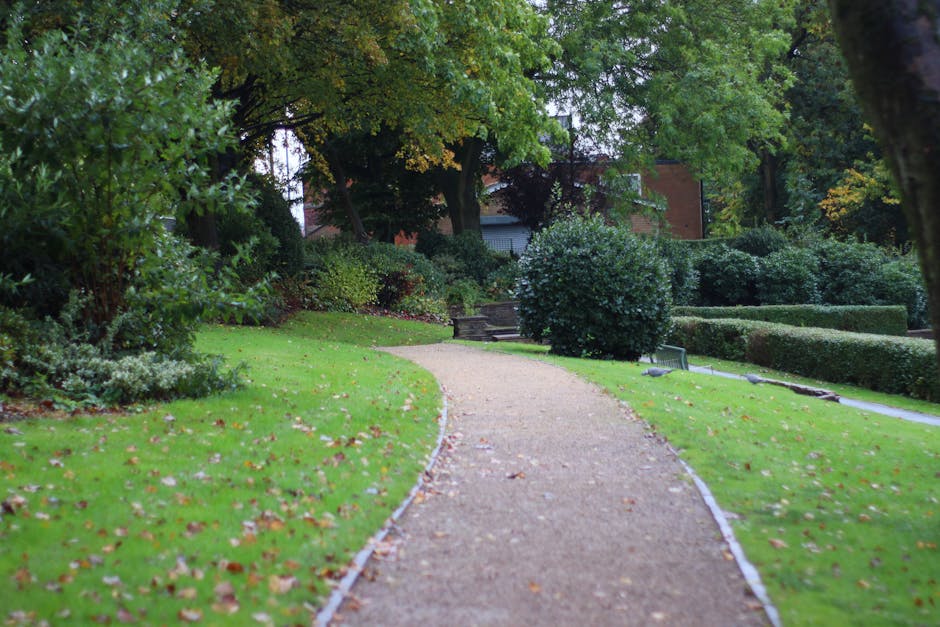
Access problems in Shirley gardens and gardener fixes
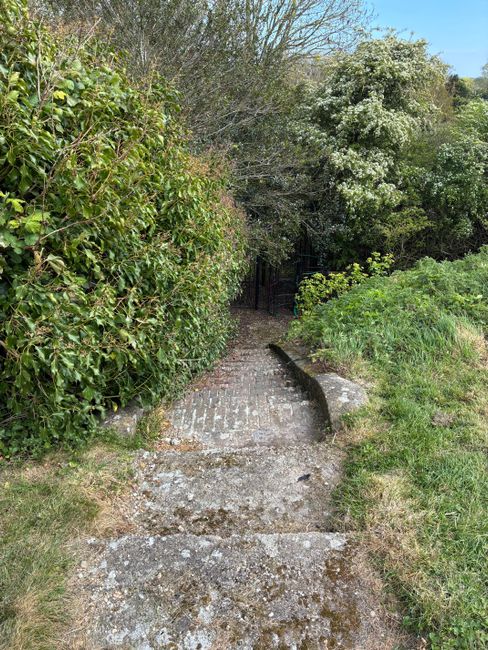
Shirley gardens can be lovely, but access problems have a habit of turning simple maintenance into a bit of a faff. Narrow side paths, steep steps, locked gates, awkward slopes, poor lighting, cramped corners, overgrown hedges, and heavy debris all make routine work harder than it needs to be. The good news is that most of these issues can be improved with the right planning and a few practical gardener fixes.
This guide looks at the real-world access problems in Shirley gardens and gardener fixes that actually help: safer entry routes, smarter storage, better circulation, sensible pruning, and layout changes that make the whole garden easier to use. Whether you are dealing with a tiny back passage or a larger plot that has simply become difficult to reach, you will find clear, local-minded advice here.
To be fair, access is one of those things people only notice when it starts going wrong. Then suddenly the wheelbarrow will not turn, the mower will not fit, and a quick tidy-up turns into a half-day ordeal.
Why Access problems in Shirley gardens and gardener fixes Matters
Access shapes everything in a garden. If a gardener cannot get tools, materials, or waste in and out efficiently, even straightforward tasks become slower, more expensive, and more disruptive. In Shirley, where homes can have side returns, older boundary layouts, and compact urban plots, access issues are common enough that they should be planned for rather than treated as an afterthought.
There is also a safety side to it. Narrow access can mean more lifting, more twisting, and more trips across uneven ground. That increases the chance of damage to paving, fences, planting beds, and yes, the gardener's back too. Anyone who has tried to lug wet turf through a tight gate on a damp morning knows the feeling. Not fun.
Good access matters for regular maintenance as much as one-off projects. A garden that is easy to reach is easier to mow, prune, clear, plant, and keep tidy. It is also easier to enjoy. If you can move through the space without squeezing past thorny shrubs or stepping over clutter, the garden starts feeling usable again.
For homeowners, access fixes are often about value as well as convenience. A practical layout can make a small garden feel bigger. It can also reduce ongoing maintenance costs because work takes less time and causes less wear and tear. If the garden has become neglected, a neglected garden makeover often begins with access, not planting.
How Access problems in Shirley gardens and gardener fixes Works
Fixing access problems starts with understanding where movement is blocked and why. In many cases, the issue is not just one obstacle but a chain of small frustrations: a gate that opens the wrong way, a path too narrow for a barrow, a step in an awkward place, and a hedge that has grown a little too confident.
A professional gardener will usually look at the garden in zones:
- Entry and exit points - gates, side passages, doors, and service routes.
- Movement routes - where people walk, carry tools, move bags, or push equipment.
- Working zones - lawns, borders, hedges, patios, and planting beds.
- Obstructions - roots, low branches, ivy, storage, slippery surfaces, and clutter.
- Drainage and ground level - because a muddy route is still an access problem, even if it looks wide enough on paper.
From there, fixes are chosen based on the garden's shape and the work it needs. In some gardens the answer is simple pruning and clearing. In others, it may mean improving paving, reshaping beds, widening a route, or redesigning where tools are stored. A better route through the garden can sometimes save more time than buying any new equipment.
The most effective fixes are usually practical rather than dramatic. A slightly wider turn into the lawn. A gate latch that opens fully. A border edge that gives enough space to move around without crushing plants. Small changes, yes, but they add up quickly.
Key Benefits and Practical Advantages
Better access is one of those improvements that quietly pays for itself. You notice it every time you work in the garden. You also notice what stops happening: less frustration, fewer accidental snags, and fewer shortcuts that end up damaging plants or hard landscaping.
- Faster maintenance - mowing, edging, pruning, and waste removal become simpler.
- Less physical strain - fewer awkward lifts and fewer trips over uneven ground.
- Lower risk of damage - to lawns, borders, gates, paving, and structures.
- Safer working conditions - especially in wet weather or lower light.
- Better garden use - the space becomes easier for family, visitors, pets, and gardeners to navigate.
- Cleaner visual flow - access fixes often improve the look of a garden at the same time.
There is also a strong seasonal advantage. In winter, poor access turns wet soil, slippery paving, and overgrown edges into a real headache. A route that seems acceptable in July can feel completely different in January. If your garden suffers in bad weather, it may help to read our guide on weather-ready garden protection alongside any access work.
Expert summary: the best access fixes are the ones that make the garden easier to work in without making it feel over-engineered. Aim for clear movement, safe footing, and tidy boundaries. That is the sweet spot.
Who This Is For and When It Makes Sense
This topic matters to a surprisingly wide group of people. It is not just for large properties or obviously awkward gardens.
- Homeowners with narrow side access who struggle to get tools, bins, or materials through.
- Older gardens with mature planting where roots and branches have narrowed circulation.
- Families who need safer routes for children, pushchairs, or regular play.
- Pet owners who want a garden that is easier to supervise and maintain. If that sounds familiar, our guide to designing a dog-friendly garden sanctuary may help too.
- Landlords and property managers who need practical maintenance access for ongoing care.
- Anyone planning landscaping or hard landscaping and wanting to avoid expensive layout mistakes later.
It makes sense to act when access is affecting the day-to-day use of the garden. If each visit requires a workaround, or if regular work is being delayed because the route in is too difficult, then the garden is telling you something. Truth be told, gardens rarely get easier on their own.
You may also want access improvements before other jobs. For example, hedge work may need better side access, and tree work may need a clearer path for waste removal. That is why services like hedge trimming in Shirley are often far more efficient when access is sorted first.
Step-by-Step Guidance
If you are tackling access problems properly, start with a clear sequence. Rushing straight to cutting or paving often leads to awkward results.
- Walk the route as if you were carrying a heavy bag
Notice where you turn sideways, where you slow down, and where you would hesitate with tools in hand. If you cannot move smoothly, the route is too tight or badly arranged.
- Identify the main blockage
Is it width, slope, slippery ground, overgrowth, stored items, or poor lighting? Do not treat every access issue as the same problem.
- Clear avoidable obstructions first
Loose pots, forgotten timber, broken edging, and overhanging growth can often be dealt with quickly. A lot of access gains come from simple clearing.
- Prune with movement in mind
Trim hedges, climbers, and low branches so the route feels open without stripping away privacy or structure. This is where good garden judgement matters.
- Check surfaces underfoot
If a path is uneven, muddy, or algae-covered, it remains a problem even if it is wide enough. If drainage is part of the issue, see practical drainage solutions for wet gardens.
- Re-think storage
Tools stored in the wrong place cause repeated obstruction. Move frequently used items nearer the working area, but keep them tidy and secure.
- Consider layout changes if the issue is structural
Sometimes the only sensible answer is to widen a gate, adjust a path, or shift a bed edge. Small construction changes can solve a long-standing access headache.
- Test the route again
Repeat the walk after changes. If moving through the garden still feels clumsy, keep refining. You will notice the difference very quickly once the route works properly.
A useful rule of thumb: fix the path before you improve the destination. If access is poor, even a beautiful border becomes hard work to maintain.
Expert Tips for Better Results
Here is where experience really helps. Access fixes are often about little decisions that compound over time.
- Keep turning spaces generous - the tightest corner is usually the point where jobs become awkward.
- Choose plants with maintenance in mind - a pretty shrub is not so lovely if it blocks the route in two years.
- Use edges intentionally - clean border lines help people move without trampling planting.
- Think about the heaviest recurring task - lawn mowing, hedge cutting, compost moving, and waste carrying all need different access considerations.
- Reduce trip hazards - hosepipes, uneven stones, low ornaments, and hidden roots catch people out.
- Improve visibility - even modest lighting or reflective markers can make evening access calmer and safer.
- Keep surfaces simple where possible - the more complicated the route, the more likely it is to become messy or slippery.
One practical observation from the field: the best access solutions often look boring. And that is fine. A plain, wide, clean route is usually more useful than a fussy one. Gardens do not have to be a maze. Some of the nicest ones are straightforward.
If access is also being compromised by weeds, ivy, or overgrown climbing plants, it can be worth dealing with those before anything else. Persistent growth can narrow routes faster than people realise. Our guide to removing ivy properly is a sensible companion read.
Common Mistakes to Avoid
Most access problems get worse because the wrong thing is fixed first. That sounds harsh, but it is true.
- Trimming for appearance only - a hedge can look neat and still block movement.
- Ignoring drainage - a path that floods or softens after rain is not truly accessible.
- Leaving storage in the route - the space that holds everything becomes the space no one can use.
- Creating overcomplicated routes - too many bends, levels, or decorative obstacles make maintenance harder.
- Using unsuitable materials - slippery surfaces, shifting gravel, or badly laid stepping stones can create new problems.
- Forgetting future maintenance - a fix that looks fine now may be a nuisance in six months.
Another common mistake is treating access as a separate issue from the rest of the garden. In reality, access affects planting, drainage, fencing, lighting, and how maintenance is carried out. It is all connected. That is why broader services such as garden maintenance can be a smart starting point when things have become cluttered or hard to manage.
And yes, sometimes the mistake is simple optimism. "We will just squeeze through." Usually a bad plan. Usually.
Tools, Resources and Recommendations
You do not need a van full of specialist gear to improve access, but the right tools do make the job smoother.
| Problem | Useful approach | Notes |
|---|---|---|
| Narrow passage | Selective pruning and clearing | Often the fastest win |
| Uneven walking route | Path repair or surface levelling | Improves safety and comfort |
| Wet, soft ground | Drainage adjustments and surface planning | Helps access in all seasons |
| Blocked working area | Tool storage reshuffle | Reduces repeated obstruction |
| Overgrown boundaries | Hedge and border reduction | Can restore light and movement quickly |
For practical reading, these site guides are especially relevant:
- ground cover ideas that reduce awkward bare patches
- hedge choices that add privacy without boxing the garden in
- vertical gardening ideas for tight spaces
- garden seating ideas that do not block circulation
If the access issue is part of a larger redesign, landscaping support may be the right next step. For more targeted hard-surface upkeep, patio cleaning can also restore a safer route where algae, moss, or grime have made movement tricky.
Law, Compliance, Standards, or Best Practice
For most domestic gardens, access improvements are guided more by common sense, safety, and good workmanship than by heavy regulation. Still, there are some sensible standards to keep in mind.
If any access work affects boundary structures, drainage, stepping levels, or shared arrangements with neighbours, it is wise to check the practical and legal implications before starting. This is especially true where fences, gates, or retaining features are involved. Good contractors should also work with clear health and safety practices and treat trip hazards, manual handling, and site housekeeping seriously.
In the UK, best practice generally means:
- keeping routes clear and predictable;
- reducing avoidable trip and slip risks;
- making sure gates and openings function properly;
- handling waste safely;
- using materials suitable for outdoor conditions;
- and planning for maintenance, not just installation.
If the work involves trees, large overgrowth, or changes near boundaries, it may move beyond simple garden tidying. In those cases, a careful approach matters. You can review the broader service and safety approach through the health and safety policy and insurance and safety information.
Best practice also includes being transparent about pricing, scope, and what is realistic in a given visit. If a garden has major access restrictions, it is better to say so early than to promise a quick fix that ends up stretching the job out. Clear expectations save everyone time.
Options, Methods, or Comparison Table
Not every access problem needs the same type of fix. Here is a simple comparison of common approaches.
| Method | Best for | Strengths | Limitations |
|---|---|---|---|
| Pruning and clearing | Overgrowth, blocked paths, tight passes | Quick, relatively low disruption | May only be temporary if growth is vigorous |
| Storage reorganisation | Cluttered work areas and tool access | Cheap and effective | Does not solve structural layout issues |
| Surface repair | Slippery or uneven paths | Improves safety and usability | Needs a decent base and proper workmanship |
| Layout redesign | Persistent circulation problems | Long-term improvement | More planning, time, and budget needed |
| Boundary reshaping | Gardens that have narrowed over time | Can transform usability | May affect privacy or planting balance |
If a garden is mainly difficult because of neglected boundaries, a combined approach is often best. For example, hedge reduction, border re-edging, and a path tidy-up together can do more than one dramatic intervention on its own. That is usually the sensible route.
Case Study or Real-World Example
Picture a modest Shirley back garden with a narrow side access, a slightly raised step into the garden, and a hedge that has grown just enough to pinch the working space. Nothing catastrophic. Just inconvenient. Over time, waste bags pile up near the route, the mower becomes awkward to manoeuvre, and pruning work gets delayed because moving around the garden is annoying.
The fix in a case like this would usually be phased. First, clear the route. Then reduce the hedge to a sensible working width. After that, check the step and path surface for stability. If the gate opens inward and steals room, changing the way it operates can free up space immediately. Finally, move storage so the day-to-day tools live where they are needed, not where they block the route.
The result is rarely flashy, but it is effective. The garden suddenly feels calmer. Jobs get done faster. There is less backtracking. And perhaps best of all, the space is no longer fighting the person trying to care for it.
That is the thing about access fixes: they are not just about movement. They change how the garden feels. Open, manageable, less tense. A bit more forgiving.
Practical Checklist
Use this checklist before booking work or starting a DIY access improvement:
- Have you walked the main route carrying tools or waste?
- Are gates opening fully and easily?
- Are hedges, branches, or climbers narrowing the passage?
- Is the ground level even and stable?
- Does the route become slippery in wet weather?
- Are tools and bins stored without blocking movement?
- Is there enough turning space for a mower or wheelbarrow?
- Do you need pruning, surface repair, or a layout change?
- Will the fix still make sense next season?
- Could a wider garden maintenance plan save time overall?
If you are unsure where to start, a conversation with a local gardener can save a lot of guesswork. You can always begin with about us to understand the approach, then move on to a proper assessment if needed. And if you want to ask about your own garden, contact the team here when you are ready.
Conclusion
Access problems in Shirley gardens are rarely just about being unable to get through a gate or along a path. They are about how the whole space functions. Once movement becomes awkward, every job takes longer and every corner feels a little more neglected than it should.
The best gardener fixes are practical, not dramatic. Clear the route, reduce overgrowth, repair the ground, rethink storage, and only then consider bigger layout changes if they are genuinely needed. Done well, those changes make the garden easier to maintain, safer to use, and far more enjoyable day to day.
Get a free quote today and see how much you can save.
With the right access improvements, even a tricky garden can start feeling open again. Sometimes that first clear path makes all the difference.
Frequently Asked Questions
What are the most common access problems in Shirley gardens?
The most common issues are narrow side passages, overgrown hedges, awkward steps, poor lighting, slippery paths, and limited turning space for tools or waste removal.
How do gardeners usually fix limited access?
They usually begin with clearing and pruning, then look at storage, ground surfaces, gate movement, and in some cases small layout changes. The right fix depends on what is actually blocking movement.
Can access problems be solved without major building work?
Yes, often they can. A lot of access gains come from pruning, tidying, relocating storage, and improving the route through the garden. Major building work is only needed when the layout itself is the problem.
Is narrow access a problem for regular garden maintenance?
Very much so. Narrow access slows down mowing, hedge cutting, clearing, and waste removal. It can also make tasks more expensive because they take longer and need more care.
Do access problems affect safety?
Yes. Tight routes, uneven ground, low branches, and slippery surfaces all increase the risk of trips, slips, and strains. Safety should be part of the fix, not an afterthought.
What if my garden is blocked by overgrown plants?
That is often one of the easiest access issues to improve, though it may take a proper cut-back rather than a light trim. If ivy or other growth has taken hold, get that addressed early.
How do I know if I need landscaping rather than basic garden maintenance?
If the access issue is structural, repetitive, or caused by a poor layout, landscaping may be the better option. If the problem is mainly clutter, overgrowth, or poor upkeep, maintenance may be enough.
Will fixing access make my garden look less private?
Not necessarily. Good access work can preserve privacy while creating a clearer route. The trick is to shape boundaries thoughtfully rather than cutting everything back too hard.
Can access improvements help with drainage too?
Sometimes, yes. If a route is muddy or holds water, improving drainage or adjusting the surface can make the space much easier to use. Access and drainage often go hand in hand.
How often should access routes be reviewed?
At least once or twice a year is sensible, especially after strong growth periods or wet weather. Routes can narrow slowly without anyone noticing until the garden starts feeling cramped again.
Is it worth fixing access in a small garden?
Absolutely. In smaller gardens, even tiny improvements can make a big difference. A clear route can make the whole space feel more open and much easier to enjoy.
What should I ask a gardener before booking access work?
Ask what is causing the access issue, what the likely fixes are, whether pruning or layout changes are needed, how long the work may take, and what will make the biggest difference first. Clear answers are a good sign.
Sometimes the most useful garden improvement is the one nobody notices at first glance. A better route, a cleaner turn, a gate that opens smoothly. Quiet fixes, but they make the whole place feel more like home.